
What Is Baby Alpaca Wool? The Complete Guide (2026)

Introduction
When people first hear the term Baby Alpaca Wool, one of the most common questions is surprisingly simple:
"Does it come from baby alpacas?"
The answer is no, and that's only the beginning of a fascinating story.
Baby Alpaca Wool is widely regarded as one of the world's most luxurious natural fibers. Softer than traditional sheep's wool, warmer than many other natural fibers, lightweight, breathable, and exceptionally durable, it has become the preferred material for premium scarves, blankets, hats, gloves, and luxury fashion accessories.
Throughout this guide, you'll learn:
- What Baby Alpaca Wool actually is
- Why it doesn't come from baby animals
- How it's collected ethically
- Why Peru produces the finest alpaca fiber in the world
- The differences between Baby Alpaca, Merino Wool and Cashmere
- How to identify authentic alpaca products
- Why luxury brands choose Baby Alpaca
- How to care for alpaca garments so they last for decades
By the end of this guide, you'll understand why Baby Alpaca Wool has earned its reputation as one of the finest natural fibers available today.
Table of Contents
- What Is Baby Alpaca Wool?
- Does Baby Alpaca Come From Baby Alpacas?
- Where Does Baby Alpaca Wool Come From?
- Why Peru Produces the Best Baby Alpaca Wool
- How Baby Alpaca Fiber Is Collected
- Characteristics of Baby Alpaca Wool
- Benefits of Baby Alpaca Wool
- Baby Alpaca vs Cashmere
- Baby Alpaca vs Merino Wool
- How to Identify Authentic Baby Alpaca Products
- Is Baby Alpaca Sustainable?
- Frequently Asked Questions
- Final Thoughts
What Is Baby Alpaca Wool?
Baby Alpaca Wool is a premium natural fiber obtained from alpacas, one of South America's most iconic animals. Despite its name, the fiber does not come from baby alpacas. Instead, the term "Baby" refers to the fineness of the fiber, which is one of the key indicators of softness and luxury in the textile industry.
Fiber fineness is measured in microns. The lower the micron count, the softer the fiber feels against the skin.
Baby Alpaca typically measures between 20 and 23 microns, making it significantly softer than conventional sheep's wool while remaining remarkably durable.
This exceptional softness makes Baby Alpaca ideal for garments worn directly against the skin, including scarves, shawls, sweaters, gloves, hats, and luxury blankets.
Unlike many traditional wools, Baby Alpaca contains very little lanolin, the natural oil commonly found in sheep's wool. Because of this, many people who find ordinary wool itchy or irritating discover that Baby Alpaca feels incredibly smooth and comfortable.
Its unique structure also creates tiny air pockets inside the fibers, allowing it to provide outstanding thermal insulation without adding unnecessary weight.
This means a lightweight Baby Alpaca scarf can often provide more warmth than a much heavier wool alternative.

Does Baby Alpaca Come From Baby Alpacas?
This is by far the most common misconception about Baby Alpaca Wool.
The answer is simple: No.
The name has nothing to do with the animal's age.
Instead, "Baby Alpaca" is an internationally recognized textile classification used to describe fibers with exceptional fineness.
The fiber may come from an adult alpaca that naturally produces incredibly fine fleece throughout its life.
Some alpacas maintain this level of softness for many years thanks to genetics, nutrition, altitude, and careful breeding.
This grading system is very similar to other luxury fibers where quality is determined by fiber characteristics rather than the age of the animal.
Understanding this distinction is important because it reflects the ethical and sustainable nature of alpaca farming.
Alpacas are not harmed to obtain their fleece.
Instead, they are gently sheared once a year, a necessary process that helps them remain comfortable during warmer seasons.
Their fleece naturally grows back, allowing the same animal to continue producing premium fiber year after year.

Where Does Baby Alpaca Wool Come From?
Almost all of the world's finest Baby Alpaca Wool originates in the highlands of Peru.
For thousands of years, alpacas have lived at elevations exceeding 3,500 meters (11,500 feet), where dramatic temperature changes between day and night have encouraged the development of one of nature's most remarkable fibers.
These challenging environmental conditions help alpacas produce fleece that is simultaneously:
- Warm
- Lightweight
- Breathable
- Moisture-resistant
- Exceptionally soft
Today, Peru is home to approximately 80% of the world's alpaca population, making it the undisputed global leader in premium alpaca fiber production.
Many rural communities continue to preserve traditional breeding and shearing techniques that have been passed down through generations, combining centuries of experience with modern quality standards.
This deep cultural heritage is one of the reasons why authentic Peruvian Baby Alpaca has become synonymous with luxury around the world.
When purchasing premium alpaca products, choosing fibers sourced from Peru often ensures superior quality, exceptional craftsmanship, and authentic origin.
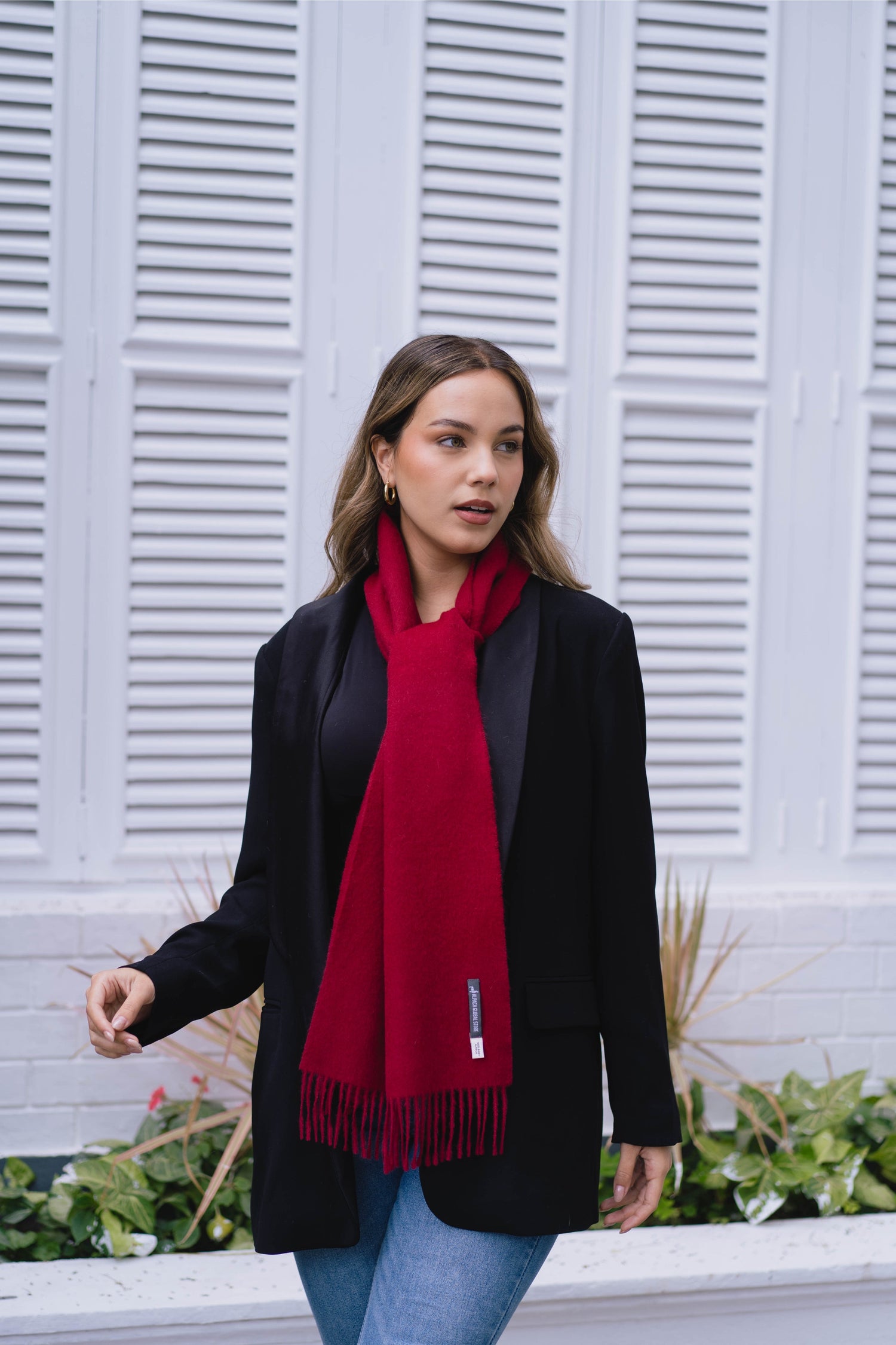
For those looking to experience genuine Peruvian craftsmanship, our collection of Baby Alpaca Scarves (Link to: Scarves Collection) showcases timeless designs made with authentic Peruvian Baby Alpaca Wool.

Why Peru Produces the World's Finest Baby Alpaca Wool
Not all alpaca wool is the same.
Several factors make Peru uniquely positioned to produce the highest quality alpaca fiber available anywhere in the world.
The first is geography.
The Peruvian Andes provide one of the most demanding natural environments on Earth. Alpacas spend their lives adapting to freezing nights, intense sunlight, dry mountain air, and significant temperature fluctuations. Over centuries, this environment has encouraged the development of exceptionally fine, resilient fibers that provide superior thermal insulation while remaining lightweight and breathable.
The second factor is genetics.
Peru has spent generations carefully preserving and improving alpaca bloodlines, particularly the Huacaya and Suri breeds. Selective breeding programs focus on maintaining fiber fineness, uniformity, density, and natural softness, ensuring that each generation continues to meet the high standards expected of premium Baby Alpaca.
Finally, Peru's long-standing textile tradition plays a crucial role. Skilled artisans and manufacturers combine ancestral knowledge with modern processing techniques to transform raw fleece into luxury products that are appreciated worldwide.
These three elements—environment, genetics, and craftsmanship—are what make authentic Peruvian Baby Alpaca one of the most prestigious natural fibers available today.
How Is Baby Alpaca Fiber Collected?
The process of creating high-quality Baby Alpaca products begins long before a finished scarf, blanket, or accessory reaches the customer.
It starts with the alpaca itself.
Unlike synthetic fibers that are manufactured in factories, Baby Alpaca Wool is a completely natural renewable fiber produced by animals that have adapted to one of the world's most demanding environments: the Peruvian Andes.
Alpacas are usually sheared once a year, generally before the warmer season begins. This process is important because it helps the animals remain comfortable while allowing farmers to collect the valuable fleece they naturally produce.
Professional shearing is performed carefully to avoid causing stress or discomfort to the animal. After shearing, the alpaca fleece goes through several quality control stages.
Step 1: Selection of the Fiber
Not all parts of the fleece have the same quality.
The finest fibers are selected based on:
- Fiber diameter
- Length
- Color
- Softness
- Uniformity
The finest sections of the fleece are normally found around the shoulder and sides of the animal.
Step 2: Cleaning and Preparation
After collection, the fiber is carefully cleaned to remove natural impurities.
Unlike sheep wool, alpaca fiber contains very little lanolin, making the cleaning process gentler and helping preserve its natural softness.
Step 3: Spinning the Fiber
The cleaned fibers are transformed into yarn.
During this stage, manufacturers control:
- Thickness
- Strength
- Texture
- Final softness
Different yarn structures allow manufacturers to create different types of products.
Step 4: Creating the Final Product
The Baby Alpaca yarn can then be transformed into finished products through:
- Knitting
- Weaving
- Handloom techniques
- Modern textile production
Traditional Peruvian craftsmanship continues to play an important role in creating unique alpaca products.
For example, many artisans still use traditional weaving methods that have been passed down through generations.

The Benefits of Baby Alpaca Wool
Baby Alpaca Wool is considered a luxury fiber because it combines several characteristics that are difficult to find together in other natural materials.
It is soft, warm, lightweight, durable, and naturally sustainable.
Let's explore the main benefits.
1. Exceptional Softness
The first thing most people notice about Baby Alpaca is its softness.
The fiber's fine diameter creates a smooth sensation that feels comfortable even when worn directly against the skin.
Many people who avoid traditional wool because of itchiness appreciate Baby Alpaca because it has a much smoother texture.
2. Superior Warmth Without Heavy Weight
One of the most impressive characteristics of alpaca fiber is its ability to provide warmth while remaining lightweight.
The structure of the fiber contains microscopic air pockets that naturally trap heat.
This creates excellent insulation without the bulk commonly associated with heavy winter fabrics.
A Baby Alpaca scarf can provide significant warmth while still feeling elegant and comfortable.
This makes it especially suitable for European winters, where customers often need protection from cold temperatures without wearing excessively heavy clothing.
Explore our collection of Baby Alpaca Winter Accessories.
3. Naturally Hypoallergenic
Many people experience discomfort when wearing traditional wool because of lanolin or coarse fibers.
Baby Alpaca contains almost no lanolin and has a smoother fiber structure, making it a popular choice for people with sensitive skin.
Although individual sensitivities vary, many customers choose alpaca because it offers luxury softness without the irritation associated with some other animal fibers.
4. Breathability and Temperature Regulation
A common misconception is that warm fibers are only useful in cold weather.
However, premium natural fibers work differently from synthetic materials.
Baby Alpaca helps regulate temperature by allowing moisture and heat to move naturally through the fiber.
This means:
- It keeps you warm when temperatures drop.
- It helps prevent overheating indoors.
- It remains comfortable during changing weather conditions.
5. Exceptional Durability
Luxury does not only mean softness.
A truly premium fiber should also last.
Baby Alpaca fibers are naturally strong and resistant to breaking, which helps garments maintain their appearance over time.
With proper care, a high-quality alpaca product can last for many years.
This makes alpaca a valuable alternative to inexpensive fast-fashion accessories that need frequent replacement.
6. Natural Resistance to Odors
Alpaca fibers naturally manage moisture, helping reduce the accumulation of odors compared with some synthetic materials.
This means alpaca garments often require less frequent washing when properly cared for.
7. Lightweight Luxury
Cashmere is famous for luxury.
However, many people are surprised to discover that Baby Alpaca offers a similar premium experience while often providing greater warmth and durability.
This combination makes it attractive for customers looking for luxury products suitable for everyday use.
8. Sustainable Natural Fiber
Sustainability has become increasingly important for consumers looking beyond fast fashion.
Baby Alpaca offers several environmental advantages:
- Renewable natural fiber
- Long-lasting products
- Low processing requirements compared with synthetic fibers
- Alpacas have a lower environmental impact compared with many livestock animals
A well-made alpaca product is designed to be used for years, reducing the need for constant replacement.
Discover more about responsible fashion in our guide about Sustainable Alpaca Products.

Baby Alpaca vs Cashmere: Which One Is Better?
One of the most common comparisons in luxury textiles is Baby Alpaca versus Cashmere.
Both are considered premium fibers, but they have different characteristics.
Softness
Cashmere is famous for its incredible softness.
However, high-quality Baby Alpaca can offer a very similar luxurious feeling while maintaining greater durability.
Warmth
Both fibers provide excellent insulation.
However, alpaca fiber has a unique structure with natural air pockets that allows it to retain heat efficiently.
Durability
This is one area where Baby Alpaca has a significant advantage.
Cashmere fibers are extremely fine and delicate, meaning lower-quality cashmere products may pill or lose shape more easily.
Baby Alpaca generally provides a stronger balance between softness and resistance.
Sustainability
Alpacas are naturally adapted to harsh environments and require less intensive resources compared with many other fiber-producing animals.
Additionally, alpaca products often have long lifespans, making them a strong option for consumers interested in more sustainable fashion choices.
For customers looking for a luxurious natural fiber that combines softness, warmth, and durability, Baby Alpaca is one of the best alternatives available.
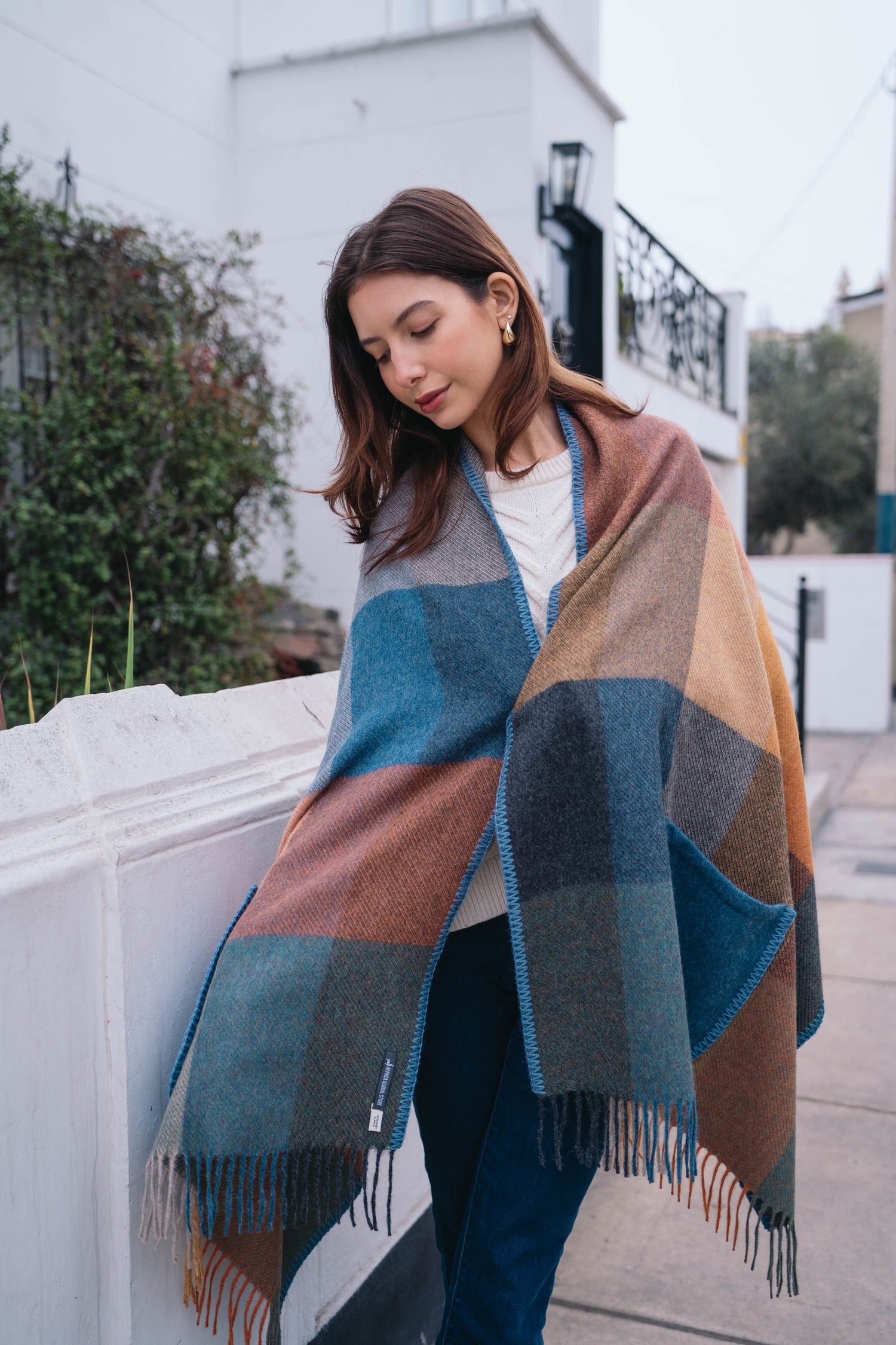
Explore our collection of Luxury Baby Alpaca Blankets.

Baby Alpaca vs Merino Wool: What Is the Difference?
Another common comparison in the natural fiber industry is Baby Alpaca versus Merino Wool.
Both materials are highly appreciated because they are warm, breathable, and naturally comfortable. However, they come from completely different animals and have different characteristics.
Merino Wool comes from Merino sheep, a breed known for producing some of the finest sheep wool available.
Baby Alpaca comes from alpacas raised mainly in the high Andes of Peru and is considered one of the most luxurious natural fibers in the world.
Understanding the differences can help you choose the best material depending on your needs.
Softness and Skin Comfort
For many customers, softness is the most important factor.
Baby Alpaca has naturally smooth fibers and contains almost no lanolin, which makes it especially comfortable for people who find traditional wool irritating.
Merino Wool is also much softer than conventional wool and is widely used in high-quality outdoor clothing.
However, for luxury accessories worn directly against the skin, many consumers prefer the unique softness of Baby Alpaca.
Warmth and Insulation
Both fibers provide excellent warmth.
Merino Wool is famous among outdoor enthusiasts because it regulates temperature efficiently and performs well during physical activities.
Baby Alpaca, however, has a unique hollow fiber structure that helps trap warm air while keeping the material lightweight.
This makes it particularly suitable for elegant winter accessories where warmth and comfort are both important.
Durability
Both materials can last many years when properly cared for.
However, Baby Alpaca has naturally strong fibers that resist breaking, helping premium products maintain their appearance over time.
This durability is one of the reasons why many luxury textile producers choose alpaca for long-lasting garments and accessories.
Which One Should You Choose?
The answer depends on your lifestyle.
Choose Merino Wool if you need:
- Technical outdoor clothing
- Activewear
- Performance garments
Choose Baby Alpaca if you want:
- Luxury softness
- Elegant winter accessories
- Long-lasting premium products
- Exceptional warmth with lightweight comfort
For premium winter accessories designed for everyday elegance, Baby Alpaca is one of the finest natural fibers available today.
How to Identify Authentic Baby Alpaca Products
As the popularity of alpaca products has increased, so has the number of products incorrectly labeled as "alpaca".
Some products marketed as alpaca may contain:
- Synthetic fibers
- Acrylic blends
- Low percentages of alpaca
- Other animal fibers
Knowing what to look for helps ensure you are purchasing a genuine product.
1. Check the Fiber Composition
The first step is always checking the label.
A genuine Baby Alpaca product should clearly indicate its composition.
Look for information such as:
- 100% Baby Alpaca
- Baby Alpaca blend
- Alpaca percentage
Be careful with products that only mention "alpaca style" or "alpaca feel", as these terms may refer to synthetic alternatives.
2. Consider the Origin
Authentic premium alpaca fiber is strongly associated with Peru.
Look for information about:
- Fiber origin
- Manufacturing location
- Brand transparency
A company that understands alpaca should be able to explain where the fiber comes from and how products are made.
At Alpaca Global Store, our products are created using authentic Peruvian alpaca fiber and shipped from Spain to customers throughout Europe.
3. Evaluate the Texture
Real Baby Alpaca should feel:
- Soft
- Smooth
- Warm
- Lightweight
It should not feel rough like traditional coarse wool.
4. Look at the Price
While price alone does not guarantee quality, authentic Baby Alpaca is a premium natural fiber.
Extremely cheap products claiming to be "100% Baby Alpaca" should be examined carefully.
Quality fiber, skilled manufacturing, and ethical production all contribute to the final value of a genuine alpaca product.

How to Care for Baby Alpaca Wool Products
One of the advantages of Baby Alpaca is that it is naturally durable.
However, proper care helps maintain softness, shape, and appearance for many years.
Washing
Recommended:
- Hand wash with cold water
- Use mild detergent
- Avoid aggressive chemicals
- Do not wring the fiber
Drying
Avoid:
- tumble dryers
- direct heat
- hanging heavy garments when wet
Instead:
- Lay flat on a clean towel
- Reshape gently
- Allow natural air drying
Storage
For seasonal storage:
- Keep in a dry place
- Fold instead of hanging
- Protect from moths naturally
A well-maintained Baby Alpaca product can become a long-lasting wardrobe piece rather than a temporary fashion item.
This is one of the reasons alpaca represents a more conscious alternative to disposable fashion.
Is Baby Alpaca Wool Sustainable?
Sustainability has become one of the most important considerations for modern consumers.
People are increasingly looking for products that combine quality, ethics, and environmental responsibility.
Baby Alpaca offers several advantages in this area.
Natural Renewable Fiber
Unlike synthetic materials made from petroleum-based plastics, alpaca fiber is naturally produced by animals.
It is renewable and biodegradable.
Alpacas Adapt Naturally to Their Environment
Alpacas have lived in the Andes for thousands of years.
They are adapted to high-altitude environments and require fewer resources compared with many other livestock animals.
Long Product Lifespan
One of the biggest sustainability advantages of premium alpaca products is durability.
A scarf or blanket that lasts many years reduces the need for constant replacement.
Buying fewer, better-quality products is one of the principles behind sustainable fashion.

Frequently Asked Questions About Baby Alpaca Wool
Is Baby Alpaca made from baby alpacas?
No. Baby Alpaca refers to the fineness and softness of the fiber, not the age of the animal.
Is Baby Alpaca softer than wool?
Yes. Baby Alpaca is generally softer than traditional sheep wool because of its finer fiber diameter and smoother structure.
Is Baby Alpaca warmer than cashmere?
Both are excellent insulating fibers. Baby Alpaca provides outstanding warmth while also offering excellent durability.
Is Baby Alpaca itchy?
Most people find Baby Alpaca much softer and less irritating than traditional wool because it contains very little lanolin and has fine fibers.
Where does Baby Alpaca Wool come from?
The finest Baby Alpaca fiber mainly comes from Peru, where alpacas have been raised for thousands of years.
Is Baby Alpaca expensive?
Baby Alpaca is considered a luxury natural fiber because of its quality, limited production, softness, and durability.
How long do Baby Alpaca products last?
With proper care, high-quality Baby Alpaca products can last many years and become long-term wardrobe pieces.
Can Baby Alpaca be washed?
Yes, but gentle care is recommended. Hand washing with cold water is usually the safest method.
Is Baby Alpaca ethical?
Yes, when responsibly produced. Alpacas are sheared naturally, and quality producers focus on animal welfare and sustainable practices.
Discover our complete range of Authentic Peruvian Baby Alpaca Products.
Final Thoughts: Why Baby Alpaca Wool Is One of the World's Finest Natural Fibers
Baby Alpaca Wool represents the perfect balance between nature, craftsmanship, comfort, and sustainability.
It offers:
- Exceptional softness
- Lightweight warmth
- Natural durability
- Sustainable qualities
- Timeless luxury
For centuries, alpaca fiber has been valued by Andean communities. Today, it continues to inspire designers, artisans, and customers around the world who appreciate products made from exceptional natural materials.
Choosing Baby Alpaca is not simply choosing a winter accessory.
It is choosing a product connected to tradition, responsible craftsmanship, and one of the most remarkable natural fibers on Earth.
At Alpaca Global Store, we believe that authentic Peruvian Baby Alpaca deserves to be experienced in products designed to last.
Explore our collection of Premium Baby Alpaca Accessories and discover the comfort, warmth, and elegance of this extraordinary fiber.